
The Urgent Need for Renewable Energy in Nigeria: A Path Towards a Sustainable Future
12/15/20255 min read
Understanding Renewable Energy: What Is It?
Renewable energy refers to energy generated from natural resources that can be replenished over time. Unlike traditional fossil fuels, such as coal, oil, and natural gas, which deplete finite reserves and release greenhouse gases, renewable energy sources produce minimal environmental impact and contribute significantly to a sustainable future. The primary forms of renewable energy include solar, wind, hydroelectric, and biomass, each playing a pivotal role in reducing reliance on fossil fuels and mitigating climate change.
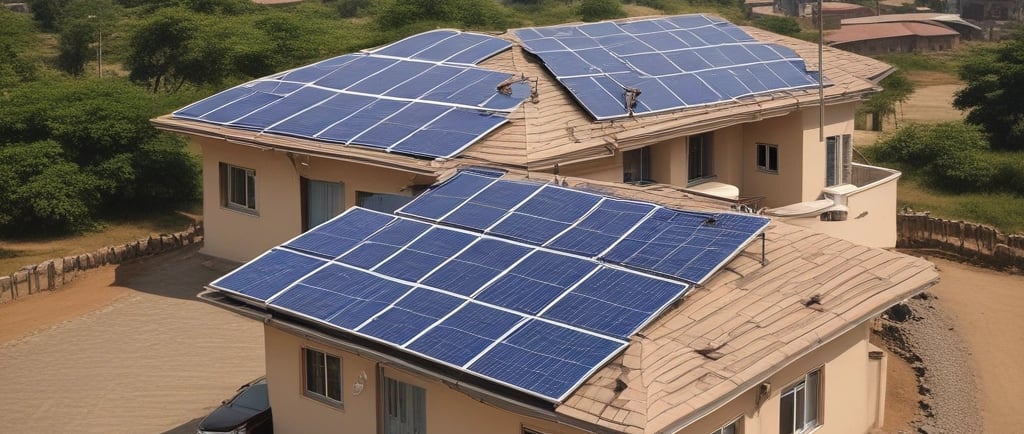
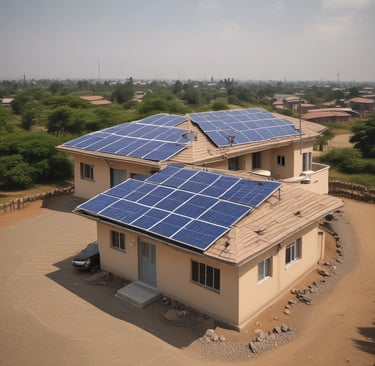
Solar energy harnesses sunlight through photovoltaic cells or solar thermal systems. This technology converts sunlight directly into electricity or uses it to produce heat, which can be utilized for residential or industrial applications. Solar energy has become increasingly popular due to decreasing costs and advancements in efficiency, making it a key player in the transition towards a green energy landscape.
Wind energy, generated by converting wind currents into mechanical power using turbines, showcases another vital component of renewable energy. Wind farms can be situated on land or offshore, capitalizing on strong coastal breezes to produce significant amounts of electricity. The rapid growth of wind energy installations across various countries reflects its viability as a major energy source in the global shift towards renewables.
Hydroelectric power relies on flowing water to generate electricity. By constructing dams or utilizing run-of-river systems, water flow can be harnessed to turn turbines, producing clean energy. This method has historically supplied a substantial percentage of global energy needs and continues to be relevant, particularly in regions with abundant water resources.
Lastly, biomass, derived from organic materials such as plant waste, wood, and animal manure, can be converted into biofuels or burned directly for energy. This form of renewable energy not only reduces waste but also provides an alternative to fossil fuels, exemplifying the importance of diversifying energy sources in the quest for sustainability.
As nations worldwide shift towards renewable energy systems, it becomes imperative to understand the significance of these resources in addressing climate change. With the right policies and investments, renewable energy can play a key role in fostering sustainable development for Nigeria and beyond.
The Current Energy Crisis in Nigeria
Nigeria is currently facing a significant energy crisis that impacts its economic development and overall quality of life for its citizens. Frequent power outages and limited access to electricity characterize this ongoing situation, hindering various sectors, particularly industries, education, and healthcare. According to statistics, Nigeria's electricity generation capacity is currently unable to meet the demand, with an estimated supply gap of approximately 30,000 megawatts. Despite being blessed with abundant resources, including hydrocarbons and renewable sources, the country struggles to provide consistent power supply.
This energy crisis has dire repercussions for Nigeria's economy. Businesses are forced to rely on unreliable power sources, often resorting to expensive diesel generators, which ultimately increases operational costs and reduces competitiveness in the global market. The manufacturing sector, for example, suffers significantly, as inadequate energy supply constrains production capabilities and can lead to reduced economic output. As a result, Nigeria's aspiration to become one of the top global economies remains unattainable without addressing its energy concerns.
Furthermore, the lack of reliable electricity has profound social implications. Inadequate energy supply directly affects education, as students are often unable to participate in online learning or access vital educational resources. Moreover, healthcare facilities struggle to provide essential services due to the unavailability of electricity; life-saving equipment cannot operate consistently, leading to compromised patient care. In rural areas, the absence of electricity exacerbates poverty, limiting opportunities for economic advancement and access to information.
The current energy crisis in Nigeria necessitates urgent attention and a sustainable approach to energy generation and distribution. Transitioning to renewable energy sources could offer a viable solution to bridging the supply gap while fostering economic and social development across the nation.
Benefits of Adopting Renewable Energy in Nigeria
The transition to renewable energy in Nigeria promises significant advantages that extend beyond mere aesthetics. First and foremost, the potential for economic growth is substantial. The renewable energy sector is known for being labor-intensive, creating numerous job opportunities across various skill levels. As investment in solar, wind, and hydropower technologies increases, a workforce trained in these fields will be necessary, leading to job creation and fostering local economies. This sector's growth can contribute to Nigeria’s overall economic development and reduce unemployment levels.
Moreover, embracing renewable energy can lead to increased energy independence for Nigeria. Currently, the country relies heavily on imported fossil fuels, which can be both economically burdensome and geopolitically risky. By investing in local renewable resources, such as solar and wind energy, Nigeria can bolster its energy security and reduce vulnerability to fluctuating oil prices. This transition can help stabilize the economy while also consolidating national sovereignty in energy matters.
Environmental considerations further underscore the necessity of renewable energy adoption. The detrimental effects of fossil fuel consumption on air quality and ecosystems are well-documented. By pivoting to renewable energy sources, Nigeria can significantly mitigate these impacts, thus resulting in cleaner air and water for its citizens. Such improvements translate not only into enhanced public health outcomes but also into long-term cost savings on healthcare.
Additionally, renewable energy technologies can enhance energy accessibility, especially for rural communities that have been historically underserved. Off-grid solar solutions, for instance, can bring electricity to remote areas, enabling better education, healthcare, and economic activities. This expanded access can empower local populations, fostering a more equitable distribution of energy resources.
How to Promote Renewable Energy Adoption in Nigeria
The promotion of renewable energy adoption in Nigeria is critical to addressing the nation’s energy challenges while fostering sustainable development. Effective strategies must be deployed to facilitate this transition. First and foremost, government policies play a pivotal role in influencing renewable energy investment. Policymakers should establish supportive frameworks that include subsidies, tax incentives, and feed-in tariffs, aimed at making renewable energy projects more financially viable. This would encourage both local and foreign investors to explore the renewable energy market in Nigeria.
Alongside government initiatives, the private sector must be encouraged to invest in renewable energy solutions. This can be achieved through partnerships between public and private entities, where the government can mitigate risks associated with renewable energy projects. Additionally, public-private partnerships could lead to the creation of innovative financing options such as green bonds, which would enable businesses to fund renewable energy installations and broaden access to clean energy technologies.
A vital component of renewable energy adoption is the cultivation of community awareness. Awareness campaigns can educate citizens about the benefits of renewable energy, addressing common misconceptions and fostering a culture that values sustainable practices. Such initiatives should be tailored to local contexts and leverage existing community structures, thus empowering individuals to take part in renewable energy projects.
Furthermore, education and training are instrumental in equipping individuals with the skills necessary for the renewable energy sector. Academic institutions and technical training programs should incorporate renewable energy technologies into their curricula. This will prepare a skilled workforce capable of supporting the growth of the industry.
Finally, grassroots initiatives can serve as powerful catalysts for change. Local communities can implement small-scale renewable energy projects that exemplify the feasibility and advantages of clean energy. By taking ownership of these initiatives, communities can set a precedent for larger projects, embedding renewable energy within the fabric of Nigeria’s future.